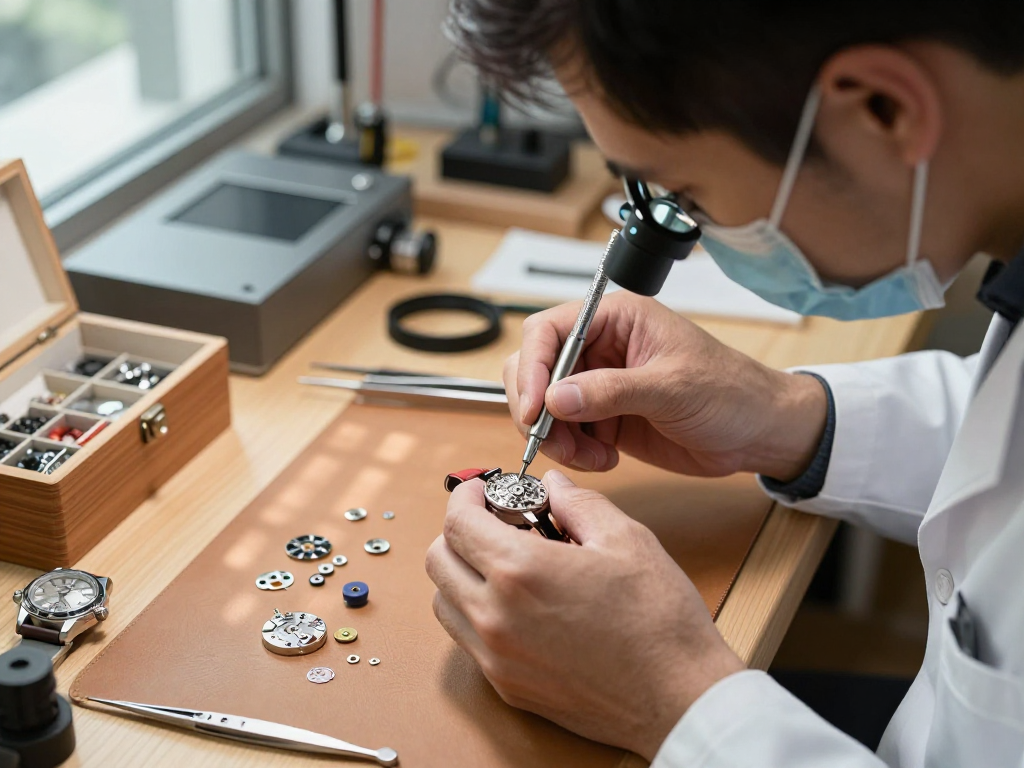
Understanding the Omega 8500 Movement
The Omega 8500 movement, one of the brand's major innovations in horological engineering, represents a significant advancement in automatic watch mechanisms. Launched in 2008, this movement has garnered a solid reputation among watch enthusiasts, collectors, and everyday wearers alike. With its impressive features and robust design, the Omega 8500 is often praised for its precision and reliability. As aficionados delve into the world of luxury timepieces, it's vital to understand the key components and intricacies that define the Omega 8500 movement. This knowledge is essential not only when purchasing an Omega watch but also when considering the associated Omega 8500 movement parts for repairs or maintenance.
What Are Omega 8500 Movement Parts?
The Omega 8500 movement comprises various components that work together seamlessly to ensure accurate timekeeping. These parts include the oscillating weight, escapement, and balance wheel, among others. Each part plays a critical role in the performance of the watch, contributing to its overall durability and functionality. The intricate assembly of the 8500 movement is designed to minimize wear and enhance the longevity of the watch. Understanding these components can help buyers make informed choices and navigate the secondary market more effectively.
Key Features of the Omega 8500 Movement
- Co-Axial Escapement: A hallmark of Omega's watchmaking, the co-axial escapement reduces friction, thereby improving accuracy and extending service intervals.
- Automatic Self-Winding Mechanism: This feature allows the watch to wind itself through the motion of the wearer's wrist, ensuring continuous operation without manual winding.
- Enhanced Power Reserve: The Omega 8500 boasts an impressive power reserve of approximately 60 hours, providing users with reliability even when not worn for a couple of days.
- Chronometer Certification: Watches powered by the 8500 movement are certified chronometers, ensuring they meet rigorous accuracy standards.
Importance of Quality in Watch Components
In the realm of luxury watches, the quality of movement parts cannot be overstated. High-quality components contribute to the overall performance of the watch and its longevity. Watches like those equipped with the Omega 8500 movement often appreciate in value, making the quality of their parts even more crucial. When considering a purchase, pay attention to the materials used, the craftsmanship involved, and the reputation of the manufacturer. Investing in high-quality movement parts will ultimately lead to a more satisfying ownership experience and enhance the long-term value of the watch.
Common Issues with Omega 8500 Movements
Despite its quality, the Omega 8500 movement is not immune to potential issues. Awareness of these common problems can help buyers make informed decisions and avoid pitfalls when purchasing used watches. Recognizing red flags and understanding misconceptions about durability can significantly impact your investment in a luxury timepiece.
Identifying Red Flags in Used Watches
Many factors can indicate potential problems with a used Omega 8500 watch. Look out for signs of moisture damage, inconsistent movement, or excessive wear on the watch case. Additionally, ensure that the watch comes with proper documentation and service history, as these factors can greatly affect its value and performance.
Common Misconceptions About Movement Durability
One prevalent misconception in the watch community is that automatic movements are maintenance-free. While it's true that automatic watches like the Omega 8500 are designed for longevity, they still require regular servicing to maintain peak performance. Neglecting this essential maintenance can lead to more significant issues down the line.
Watchmaker Insights on Repair Challenges
Watchmakers have observed that improper care and lack of knowledge about the Omega 8500 movement can lead to repair challenges. Understanding the intricacies of this movement can facilitate better service experiences. For instance, trying to replace parts without proper tools or expertise can further damage the movement and diminish its value.
Evaluating Omega 8500 Movement Parts
When it comes to Omega 8500 movement parts, making informed evaluations is essential. Whether you're looking to buy replacement parts or just understanding what makes a quality component, knowing what to look for can save you time and money.
Best Practices for Inspection Before Purchase
Before acquiring any Omega 8500 parts, it's crucial to conduct a thorough inspection. Examine parts for signs of wear, such as scratches or discoloration. Additionally, verify the authenticity through proper documentation or trusted sellers, as counterfeit parts can undermine the quality and performance of your watch.
How to Spot Counterfeit Components
The luxury watch market is often riddled with counterfeit products, and Omega 8500 components are no exception. Look for hallmark features such as meticulous craftsmanship, proper branding, and authentic serial numbers. If something appears off, it’s best to consult with a professional before making any purchase.
Understanding Warranty and Service Details
Before investing in any Omega 8500 movement parts, familiarize yourself with the warranty and service details. Genuine Omega parts often come with warranties that provide buyers peace of mind. Ensure that you understand the terms and conditions of any warranty before proceeding, as this can save you from unexpected repair costs in the future.
Maintenance and Care Tips
Proper maintenance is essential in prolonging the lifespan of any luxury watch, especially those powered by the Omega 8500 movement. Regular care not only keeps the watch functioning optimally but can also enhance its value over time.
Routine Maintenance for Longevity
To ensure the Omega 8500 operates effectively, adhere to a routine maintenance schedule that includes periodic servicing. Omega recommends having the movement checked every 4 to 5 years. Regular servicing includes cleaning, lubricating, and calibrating the movement to keep it running smoothly.
When to Seek Professional Help
Many watch owners may feel comfortable performing basic maintenance, but knowing when to call in a professional is crucial. If your watch begins to exhibit irregularities in timekeeping or shows signs of moisture ingress, it’s time to consult a certified watchmaker. Attempting to fix complex issues without the right tools or expertise can lead to further damage.
Understanding Lubrication Needs of Omega Movements
Lubrication is a critical aspect of maintaining an Omega 8500 movement. The oils used in the movement require regular replacement as they can break down over time. A watchmaker can ensure that the correct lubricants are applied in the proper quantities, extending the life of vital components.
The Future of Omega Movements
As we venture further into 2026, the world of watchmaking continues to evolve with emerging technologies and shifting consumer preferences. Understanding these trends can provide insight into the future direction of Omega movements, including the 8500.
Trends in Watchmaking Technologies for 2026
Innovative technologies are set to redefine the watchmaking industry. Emerging wearable technology may influence design decisions, while advancements in materials science could lead to lighter, more durable watches. This evolution will affect manufacturing processes and consumer expectations alike.
The Evolution of Omega Movements
The Omega 8500 movement stands as a testament to the brand’s commitment to innovation and precision. As new movements are developed, they will incorporate learnings from the 8500, enhancing performance and durability in future Omega offerings.
Predicted Changes in Consumer Preferences
As interest in sustainability grows, consumers may gravitate toward brands that prioritize eco-friendly practices in their manufacturing processes. Understanding these shifts can help Omega adapt its offerings to meet changing demands in the luxury watch marketplace, ensuring continued relevance and appeal.